Renovation timing affects three things: cost, contractor availability, and whether the materials in use will perform correctly in the conditions they're being installed in. Each of these factors pulls in different directions depending on the time of year and the type of work.
The core distinction is between outdoor work, which has real temperature and weather constraints, and indoor work, which doesn't. Interior projects (kitchens, bathrooms, flooring) can run year-round. Exterior projects (roofing, concrete, painting) have material performance requirements that cold temperatures and moisture can compromise.
Best for: Kitchen remodels, bathroom remodels, basement finishing, interior painting, flooring installation, HVAC replacement
Avoid: Roofing, siding, deck construction, concrete work, exterior painting, landscaping
Why winter works for indoor projects:
- Lower prices: Contractors often discount 10-20% to keep crews working during slow months.
- Faster scheduling: No waiting 3 months for a start date. Good contractors can begin in 2-4 weeks.
- More attention: Contractors aren't juggling 5 jobs simultaneously. Your project gets focus.
Winter drawbacks:
- Holiday delays: Material deliveries slow down during holidays. Subcontractors take time off.
- Indoor confinement: Living through a kitchen remodel is stressful. Doing it in winter (when you can't escape outside) amplifies the stress.
- Ventilation challenges: You can't open windows to air out dust, fumes, or construction debris.
Best for: Roofing, siding, decks, fencing, landscaping, exterior painting, window replacement, concrete work
Avoid: Nothing: this is ideal for most projects
Why spring is the sweet spot:
- Perfect temperatures: 50-75°F is ideal for materials (shingles seal properly, paint adheres, concrete cures correctly).
- Before the rush: Contractors aren't yet at peak summer capacity. You still have scheduling flexibility.
- Material availability: Suppliers aren't yet strained by peak demand.
Spring drawbacks:
- Rain delays: Spring showers can postpone roofing, painting, and concrete work.
- Pollen and allergens: Open windows mean construction dust mixes with pollen.
Best for: All outdoor projects, major additions, whole-house renovations
Avoid: If you're on a tight budget or timeline
Why summer is popular:
- Longest days: Contractors can work extended hours. Projects finish faster.
- School break: Families prefer renovating when kids are out of school.
- Weather certainty: Minimal rain delays. Ideal conditions for all materials.
Summer drawbacks:
- Peak pricing: Contractors charge 10-20% more due to high demand.
- Long lead times: Top contractors book 8-12 weeks out. You're not starting immediately.
- Heat stress: Extreme heat slows workers and can affect material performance (asphalt shingles get too hot to handle, paint dries too fast).
Best for: Roofing, siding, HVAC, window replacement, gutter installation, insulation
Avoid: Landscaping (plants going dormant), exterior painting (temps drop below 50°F at night)
Why fall is underrated:
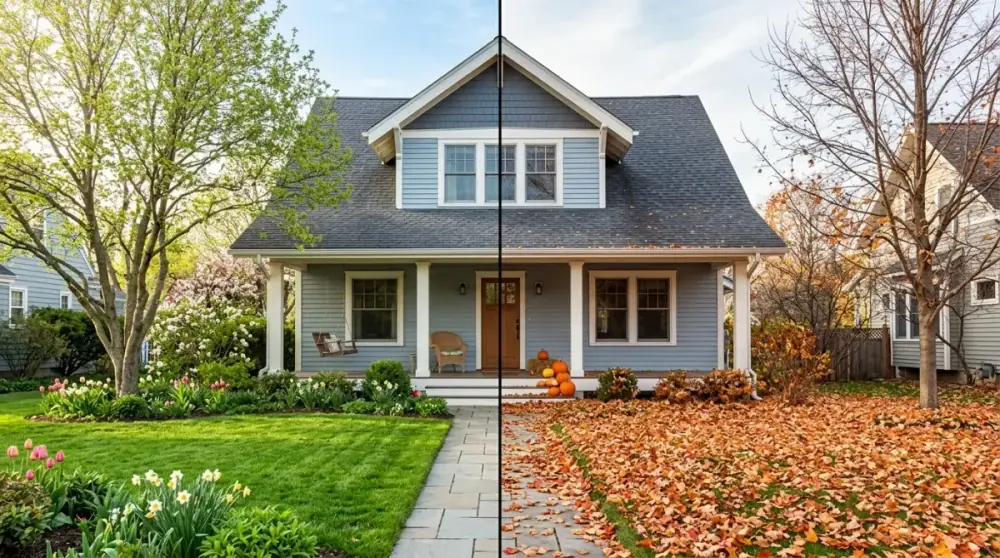
- Second sweet spot: Like spring, fall offers good weather without summer crowds.
- Contractor availability: Schedules open up after summer rush. Faster start dates.
- Pre-winter urgency: Roofers, HVAC techs, and window installers want to complete work before winter hits. They're motivated.
Fall drawbacks:
- Shortening days: Less daylight means fewer working hours. Projects take longer.
- Weather countdown: If your project runs late, you risk hitting winter conditions. Build in buffer time.
Project-Specific Timing Guide
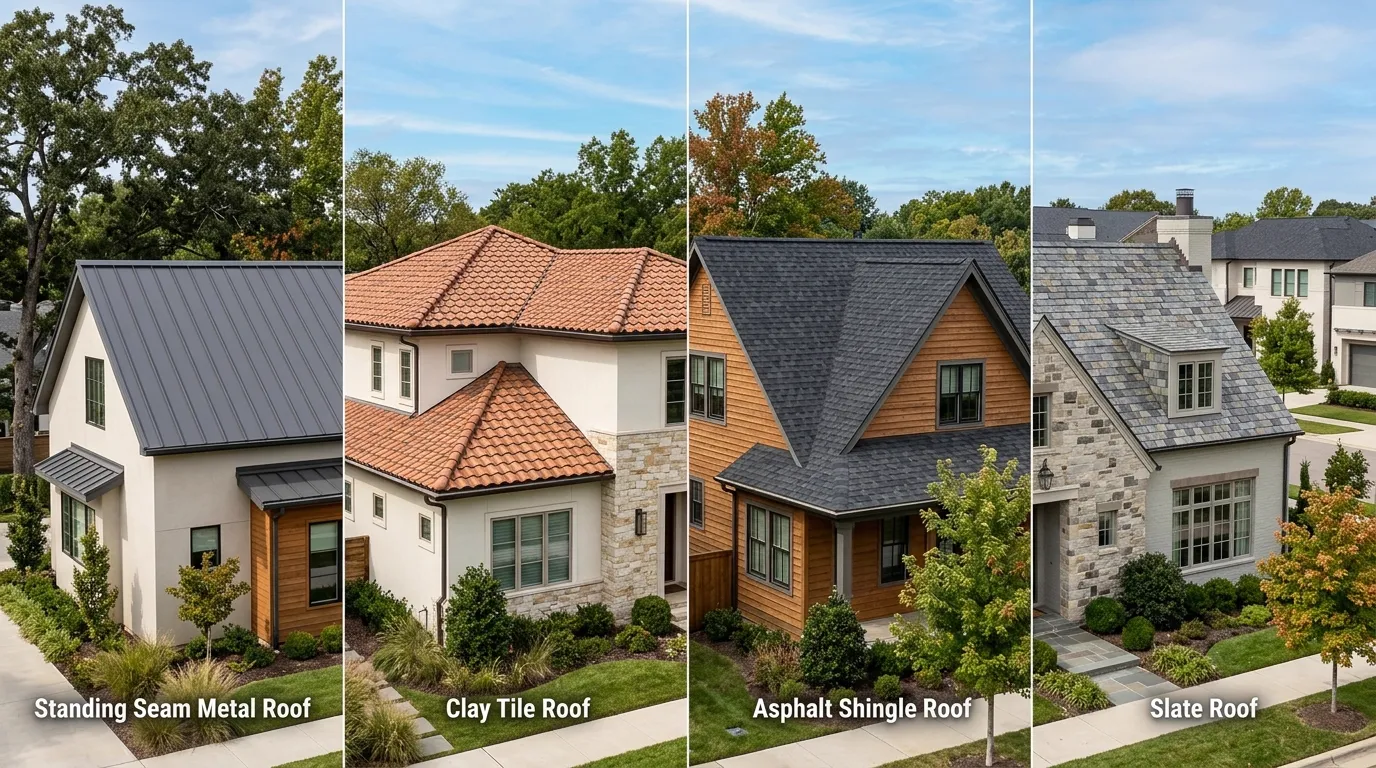
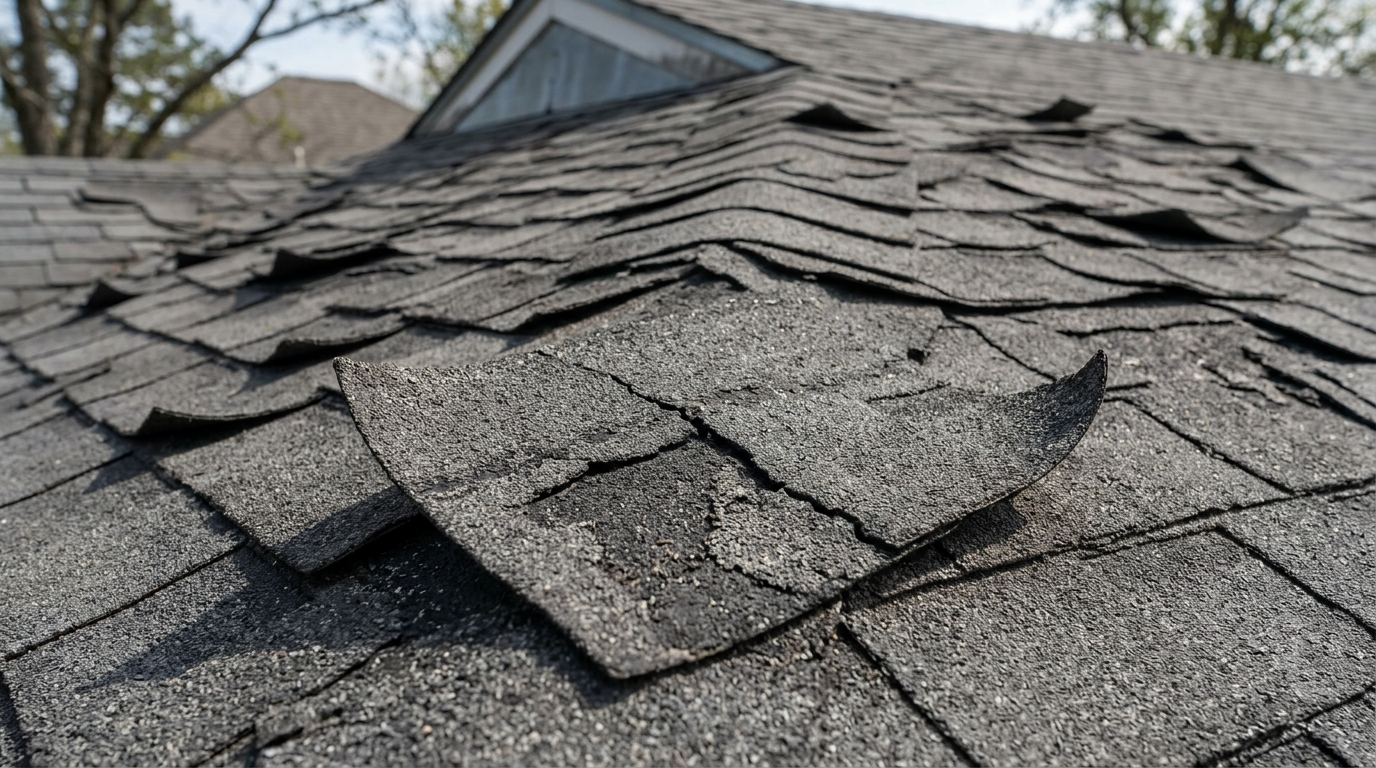
Roofing: Spring (Apr-May) or fall (Sep-Oct). Shingles need 50°F+ to seal properly. Winter roofing is dangerous and voids warranties.
Kitchen/Bathroom: Winter (Jan-Mar). Indoor work isn't weather-dependent. Contractors may discount. You can live with the disruption better in mild weather.
Deck Construction: Spring (Apr-May) or early summer (Jun). Wood needs dry conditions to acclimate. Concrete footings can't be poured in frozen ground.
Window Replacement: Fall (Sep-Oct). Install before winter drafts hit. Moderate temps prevent seal damage during installation.
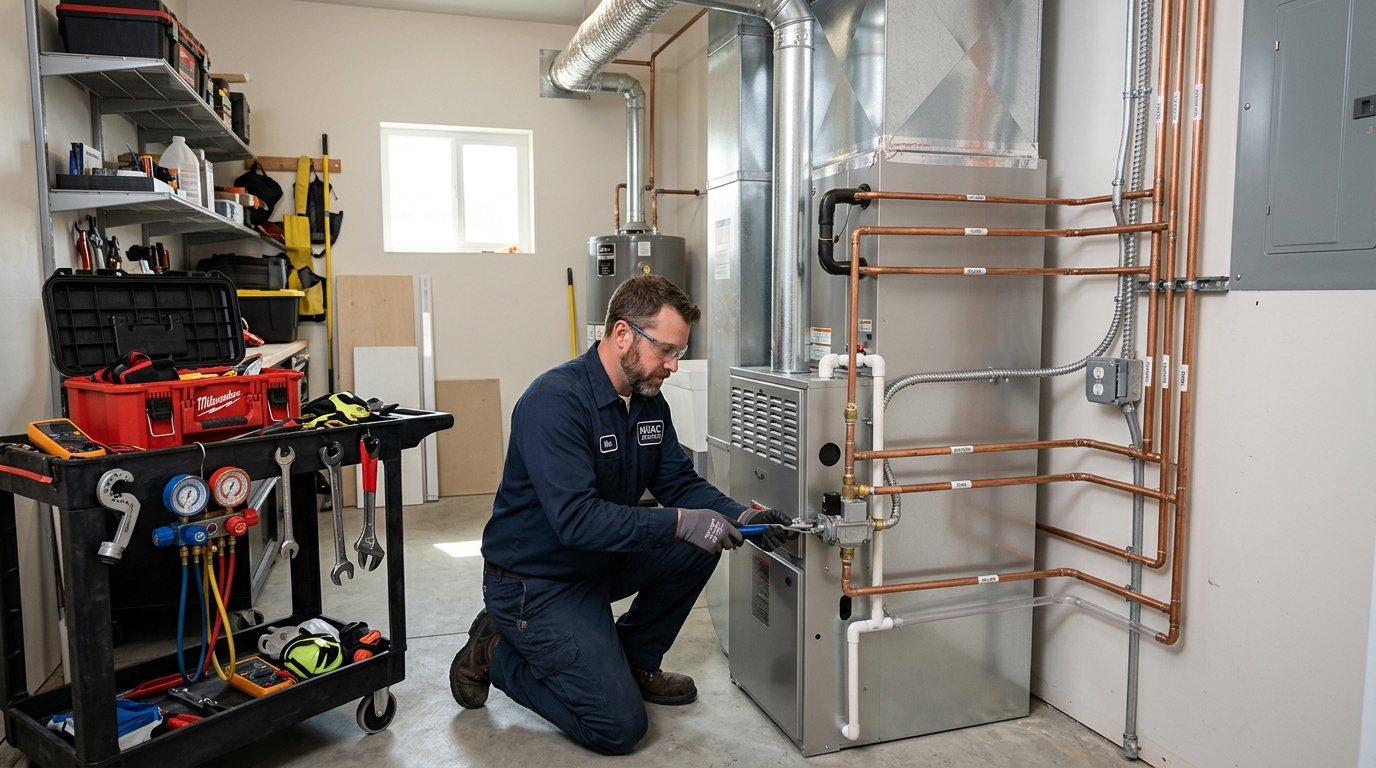
HVAC Replacement: Spring (for AC) or fall (for heating). Avoid peak summer (when AC breaks and everyone needs emergency service) and deep winter (when heating failures are urgent).
Landscaping: Spring (Apr-May) for planting. Fall (Sep) for trees and shrubs (roots establish before winter). Avoid summer (transplant shock) and winter (dormant plants, frozen ground).
Concrete (Driveways, Patios): Late spring (May-Jun) or early fall (Sep). Concrete needs 50-80°F for proper curing. Freezing ruins it. Extreme heat causes cracking.
The Contractor Availability Factor
Good contractors are booked 2-3 months out during peak season. If you want work done in June, call in March. If you want work done in February, call in December.
Off-season (winter) offers a hidden advantage: contractors have time to do things right. They're not rushing from job to job, cutting corners to stay on schedule. Your project gets attention to detail that's impossible during summer rush.
Material Costs Also Fluctuate
Lumber, shingles, and building materials often cost less in winter. Home Depot and Lowe's run promotions on flooring, paint, and appliances in January-March. Suppliers discount to move inventory during slow months.
Summer sees material price spikes due to demand. Tariff announcements and supply chain issues often hit hardest in peak season when inventory moves fast.
Timing decisions ultimately depend on which factor matters most: budget, scheduling, or material conditions. Indoor projects give more flexibility: the benefit of winter pricing is available without weather risk. Outdoor projects should be timed around the temperature windows required by the materials involved, with spring and early fall offering the best combination of conditions and contractor availability before the summer peak.