Replacing a home heating and cooling system is one of the most significant investments a homeowner will make. Sizing a system incorrectly can lead to decades of high energy bills, excessive indoor humidity, and premature equipment failure. In this comprehensive guide, we cover the exact process of sizing heating and cooling systems using ACCA Manual J load calculations, efficiency ratings, the impact of thermal insulation, heat pump operation, electrical panel upgrade costs, and the 25C federal tax credits available in 2026.
Understanding Sizing: Sizing by the Numbers (BTUs and Tons)
Residential HVAC capacities are measured in BTUs (British Thermal Units) and "Tons". A BTU is the amount of heat energy required to raise the temperature of one pound of water by one degree Fahrenheit. In cooling terms, HVAC capacity is commonly referred to in tons of refrigeration:
- 1 Ton of capacity = 12,000 BTUs per hour (BTU/hr) of heat removal.
- Residential systems typically range from 1.5 tons (18,000 BTU/hr) to 5.0 tons (60,000 BTU/hr) in 0.5-ton increments.
- Systems larger than 5 tons are rarely used in single-family residential applications; homes requiring more capacity will split the load across multiple zones or systems.
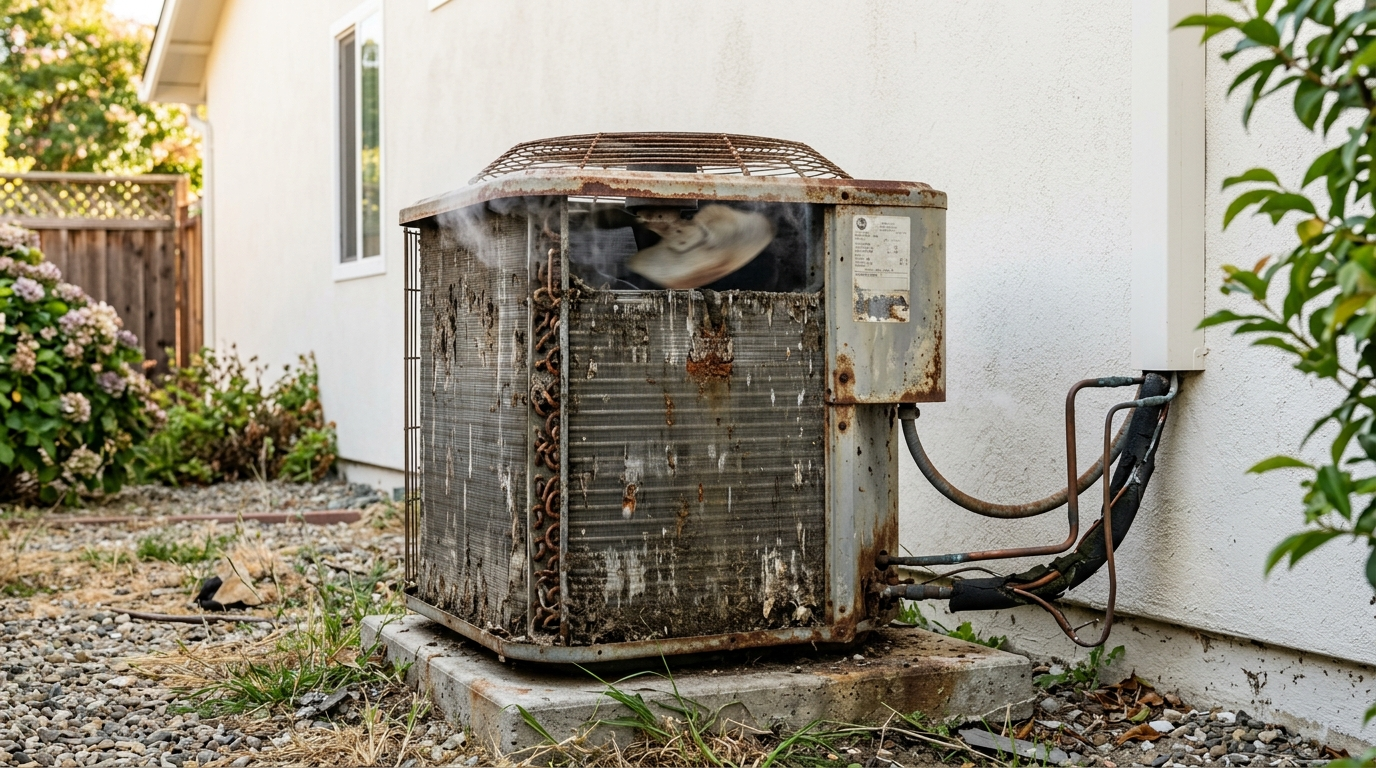
Historically, contractors used simple rule-of-thumb estimates (e.g., 1 ton per 500 or 600 square feet). This approach is highly inaccurate and frequently results in oversized systems. Oversized ACs cool homes too quickly without running long enough to remove moisture, leading to cold, clammy indoor environments and short-cycling (which dramatically shortens the lifespan of the compressor). To identify if your current unit is oversized or failing, review our guide on the signs your AC is dying.
The Industry Standard: ACCA Manual J Load Calculation
To size an HVAC system correctly, a contractor must perform an ACCA Manual J calculation. This math-based load calculation takes into account a variety of parameters:
- Climate Zone: Local design temperatures (outdoor highs and lows).
- Building Envelope: R-values of wall, floor, and attic insulation.
- Fenestration: Total area, orientation (north, south, east, west), U-factor, and Solar Heat Gain Coefficient (SHGC) of all windows and glass doors.
- Air Infiltration: How tightly sealed the home is (often determined by a blower door test).
- Internal Loads: Heat produced by occupants, lighting, appliances, and electronics.
By evaluating these factors, the Manual J calculation determines the sensible heat (temperature change) and latent heat (humidity removal) requirements for both heating and cooling seasons. You can estimate your specific system size and replacement budget using our interactive HVAC replacement cost calculator.
How Envelope Insulation R-Values Shrink HVAC Requirements
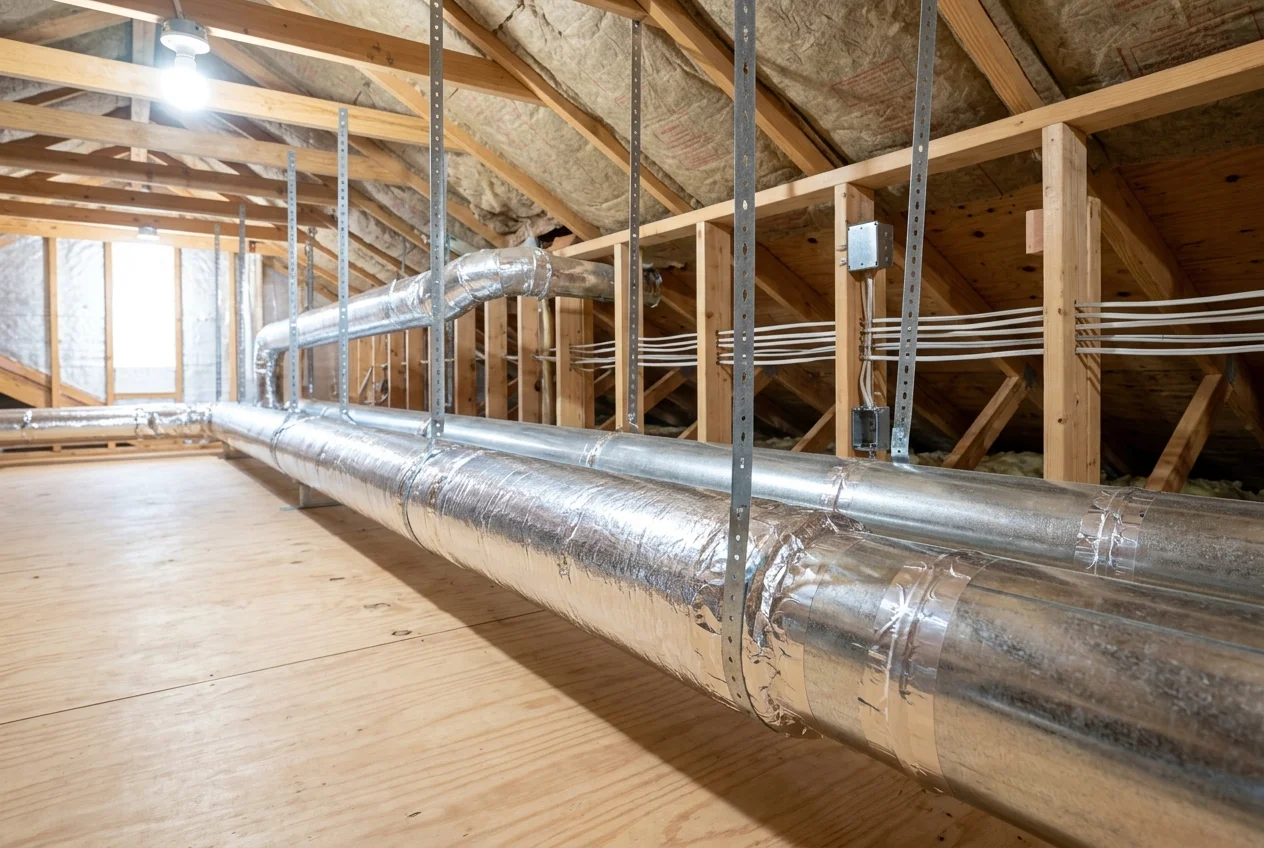
Your home's heating and cooling requirements are directly tied to the performance of its thermal envelope. Heat transfer occurs through walls, windows, and ceilings. By increasing the insulation R-values, you reduce the rate of heat transfer, which directly drops the heating and cooling load of the structure.
Attic insulation is particularly powerful because hot summer roofs reach 130°F to 150°F, conducting heat down into your home. Adding blown-in fiberglass or cellulose insulation (read more in how much attic insulation do you need) to meet the recommended R-38 to R-60 levels can drop your home's heat gain enough to downsize the required cooling system by 0.5 to 1.5 tons.
Downsizing a heat pump or central AC from 4 tons to 3 tons can save $1,000 to $2,500 on the initial equipment purchase, while permanently lowering your monthly energy bills. Check out the potential savings for your insulation upgrade using the attic insulation cost calculator.
Efficiency Ratings: Deciphering SEER2, EER2, and HSPF2
In 2023, the Department of Energy transitioned to new testing standards known as "M1," replacing old SEER, EER, and HSPF metrics with "SEER2," "EER2," and "HSPF2." The new tests simulate real-world conditions by increasing the external static pressure by up to a factor of five, which accounts for the resistance created by standard duct systems.
- SEER2 (Seasonal Energy Efficiency Ratio 2): Measures cooling efficiency over an entire season under varying outdoor temperatures. The federal minimum is 14.3 SEER2 in southern regions and 13.4 SEER2 in the north. High-efficiency units range from 16 to 22+ SEER2.
- EER2 (Energy Efficiency Ratio 2): Measures efficiency at a steady outdoor temperature of 95°F. While SEER2 reflects average seasonal costs, EER2 shows how the unit will perform under peak summer loads. A higher EER2 means your unit will draw less electricity during hot heatwaves. Learn how these ratings impact your utility bills in our guide to SEER ratings and electric bills.
- HSPF2 (Heating Seasonal Performance Factor 2): Used exclusively for heat pumps, this rating measures heating efficiency over a full season. Federal minimums are 7.5 HSPF2; high-efficiency models exceed 8.5 HSPF2.
Heat Pump Operations: Reversing Valves, Sub-Zero Heating, and Backup Strips
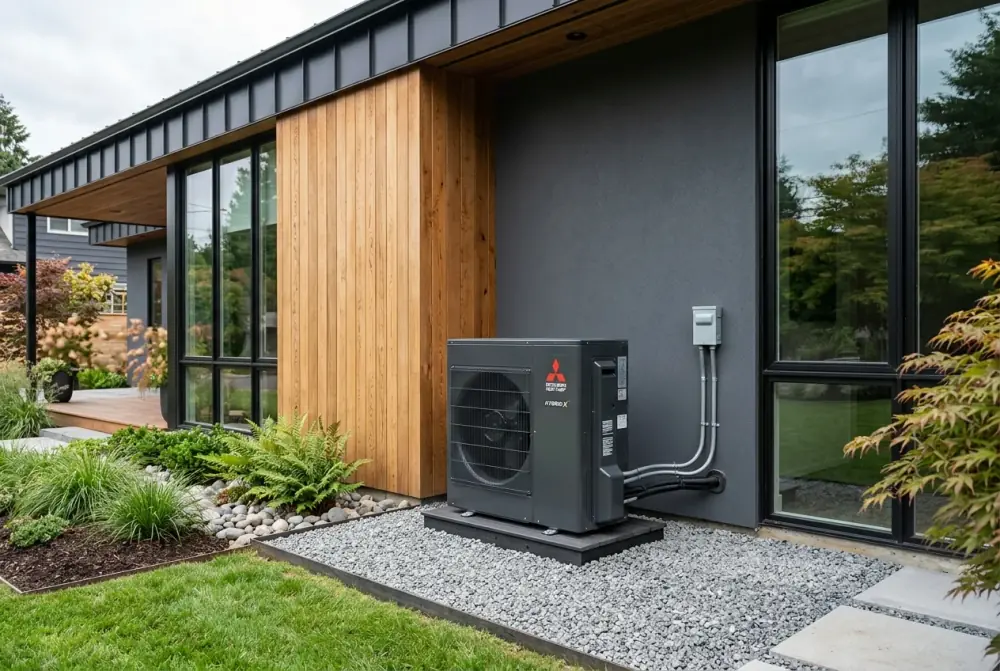
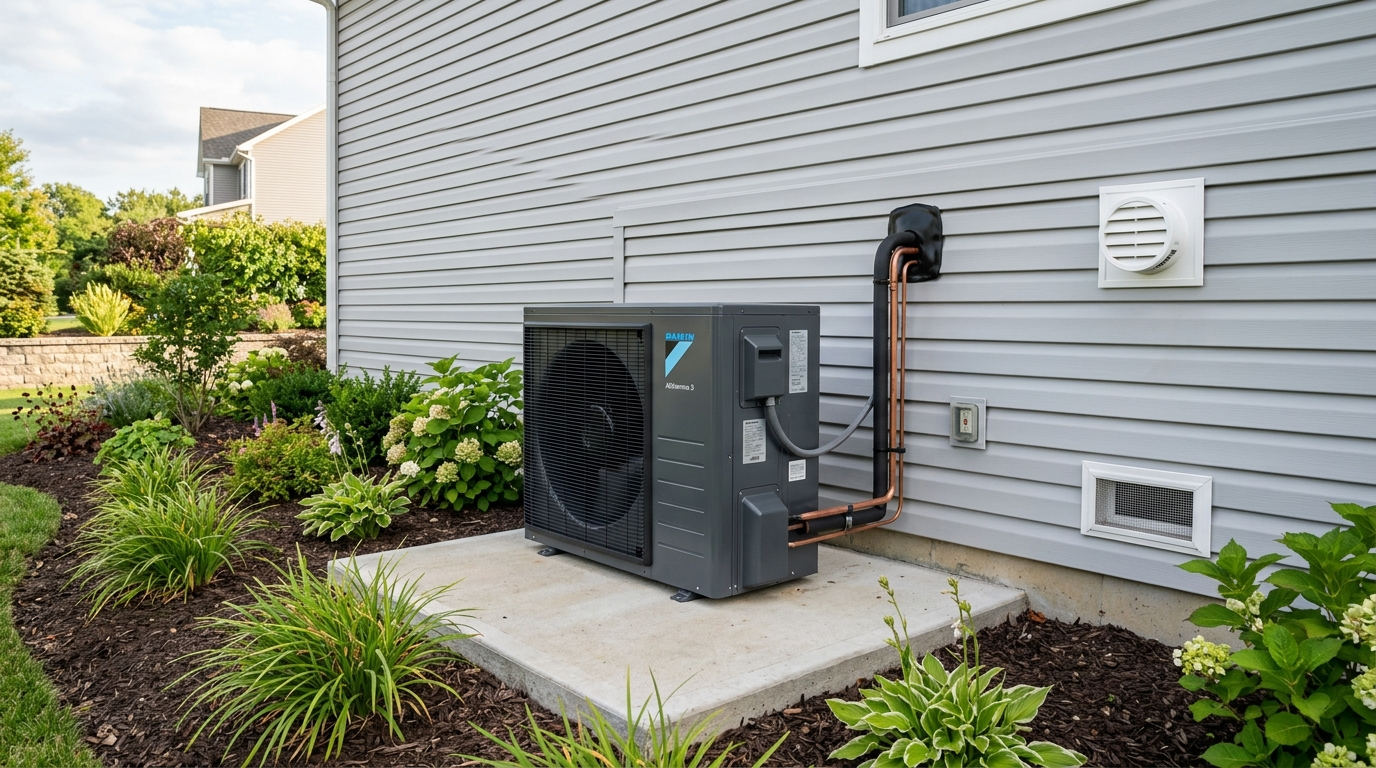
A heat pump is a central air conditioner that can run in reverse. While a standard AC can only pump heat out of the home, a heat pump utilizes a reversing valve to change the flow of refrigerant. In winter, it extracts heat from the outdoor air (even when it feels cold outside) and releases it indoors.
However, standard air-source heat pumps begin to lose capacity and efficiency as temperatures drop below 30°F. When the heat pump can no longer keep up with the heat loss of the home, it activates auxiliary backup electric heat strips (often called emergency heat). These electric resistance coils work like a giant toaster inside your air handler. While highly reliable, backup heat strips are 100% efficient (compared to the 300% to 400% efficiency of a heat pump in mild weather), meaning they consume massive amounts of electricity and can spike your winter energy bills.
Homeowners in colder climates have two main options to address this:
- Cold-Climate Heat Pumps: Also known as hyper-heating systems, these models use variable-speed inverter compressors and flash-injection technology to maintain full heating capacity down to 5°F and operate efficiently down to -15°F, minimizing or eliminating the need for electric backup.
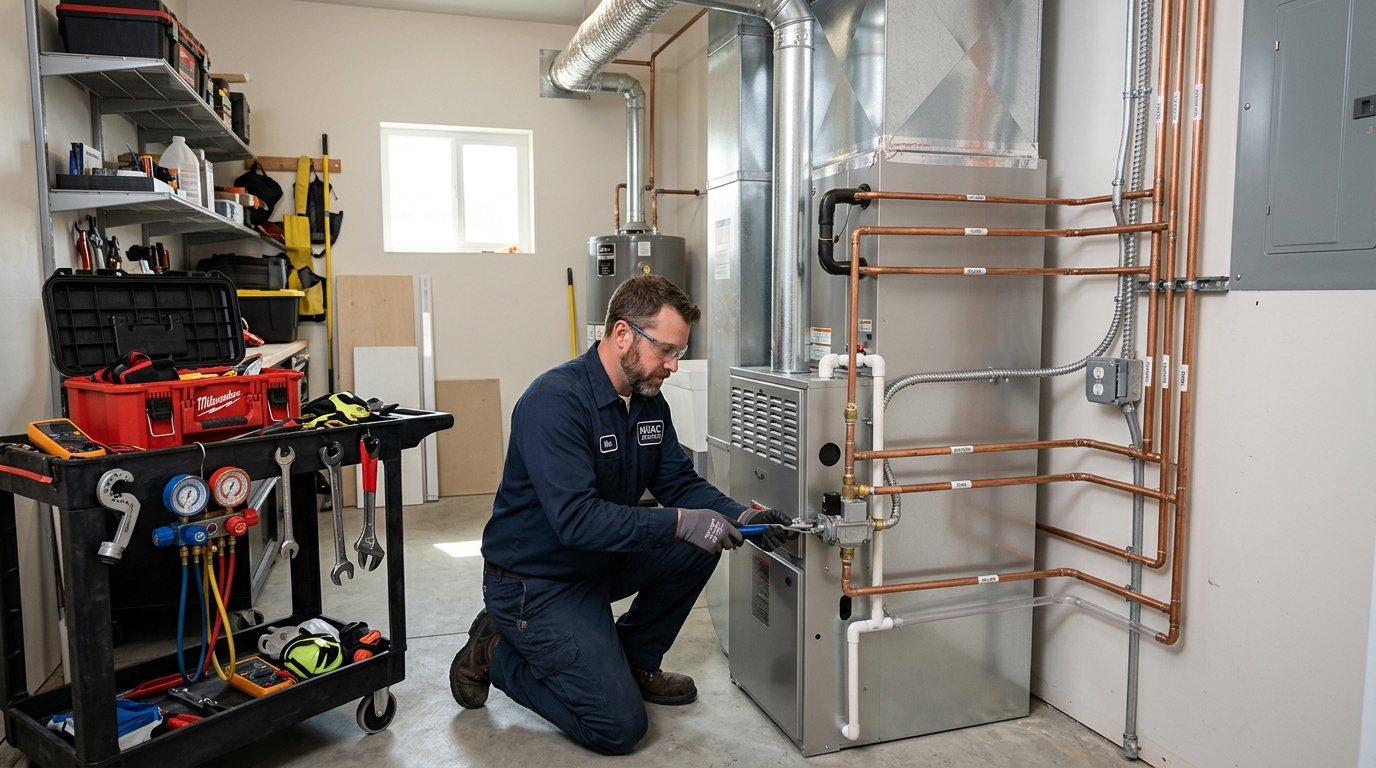
- Dual-Fuel Systems: A hybrid setup that pairs an electric heat pump with a high-efficiency gas or propane furnace. The system switches to the gas furnace when temperatures drop below freezing, utilizing the cheapest fuel source automatically. Compare the pros and cons in heat pump vs. central AC comparison.
Electrical Upgrades: Panel Amperage and Cost
Upgrading from gas heating to a heat pump, or adding large electric backup heat strips, significantly increases your home's peak electrical demand. A 10 kW auxiliary heat strip pulls approximately 42 amps on a 240V circuit, and a 15 kW strip pulls 62.5 amps. When added to the compressor draw, the HVAC system alone can consume a large portion of a standard 100-amp electrical panel.
If your home has a 100-amp service, transitioning to an all-electric HVAC system usually requires upgrading your electrical service panel to 200 amps.
- Electrical Panel Upgrade Cost: Typically runs between $2,000 and $4,500. This includes a new breaker box, a new meter socket, heavier-gauge service wires, and permitting.
- Tip: If you are planning other electric home improvements—such as switching from a gas tank to a hybrid electric water heater (calculate lifespan and costs with our water heater calculator) or adding a backup generator (explore options via the backup generator cost calculator)—performing the electrical panel upgrade first is highly recommended.
Detailed System Costs & Comparison
Below is an overview of the typical installed cost ranges for various HVAC systems and related upgrades in 2026. For a detailed breakdown of pricing components, see our HVAC replacement cost guide.
Cost data represents nationwide averages from Meazora 2026 contractor surveys. Actual pricing varies by geographic region, accessibility, and ductwork condition.
Tax Credits: Claiming the IRS Section 25C Incentives
Under the Inflation Reduction Act, the IRS Section 25C Energy Efficient Home Improvement Credit provides tax incentives that significantly lower the net cost of upgrading:
- Heat Pumps and Heat Pump Water Heaters: Qualify for a tax credit equal to 30% of the installed cost, capped at $2,000 per year. To qualify, the heat pump must meet the highest efficiency tier set by the Consortium for Energy Efficiency (CEE).
- Air Conditioners and Furnaces: Qualify for 30% of the cost, capped at $600 per year, if they meet qualifying high-efficiency CEE tiers.
- Electrical Panel Upgrades: If an electrical panel upgrade is required to install a qualifying heat pump, the panel upgrade itself qualifies for a 30% credit, capped at $600 per year.
These credits are non-refundable, meaning they can reduce your tax liability to zero, but any remaining credit will not be paid out as a refund or carried forward to future tax years. Always consult with a certified tax professional before purchasing to verify model eligibility and your personal tax situation.
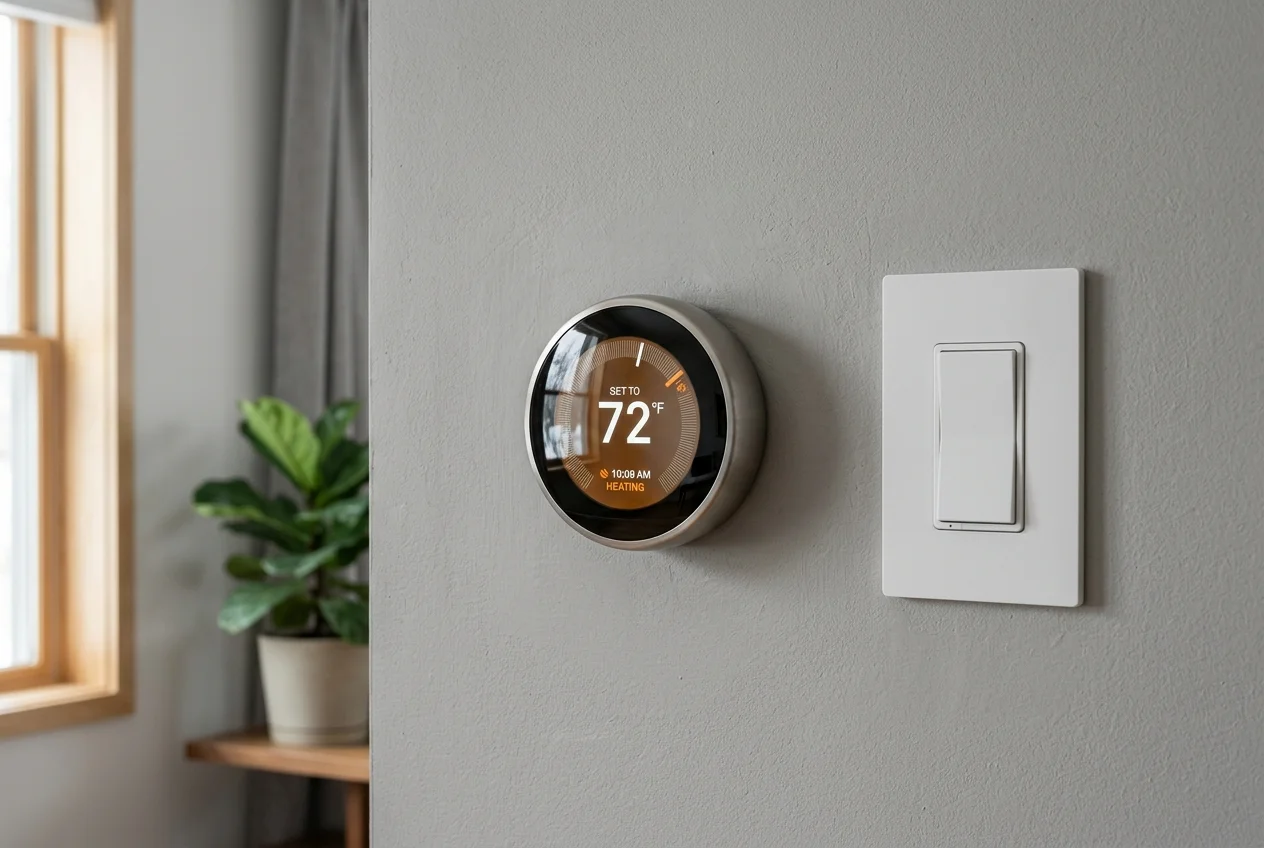
To model your home's total heating and cooling loads, review local climate metrics, and build a project budget including equipment, electrical upgrades, and tax credit benefits, use our interactive HVAC Sizing & Replacement Cost Calculator.