Your usage is roughly the same as last June. Maybe you ran the AC a bit more during that stretch of 98-degree days. But the bill is $180 higher than twelve months ago. That's not just weather.
Three separate forces are working at the same time: utility rates are up, heat patterns have shifted, and your equipment is a year older than it was. Understanding which one is hitting your home hardest is the first step toward doing something about it.
What this article covers:
- Which of the three cost drivers is likely responsible for your specific jump
- Why running the AC fan on "On" instead of "Auto" makes your bill worse
- The attic insulation problem that silently inflates cooling costs
- Four maintenance tasks that reduce runtime without replacing equipment
- How time-of-use pricing works and how to use it against itself
The Rate Hike Is Real
Power companies are investing heavily in grid upgrades, transmission lines, substations, capacity to handle demand from data centers and electric vehicles. Those costs get passed directly to residential customers. According to the U.S. Energy Information Administration's Summer 2026 Short-Term Energy Outlook, average residential electricity prices are running about 10.5% higher than summer 2025.
That means even if you used the exact same amount of electricity as last summer, your bill would be higher. If your usage also went up due to a longer cooling season, those two increases compound each other.
One factor many homeowners miss: tiered pricing. Some utilities charge a higher rate per kilowatt-hour once you cross a usage threshold. During a heat wave, crossing into a higher tier can cause a significant bill increase even when your usage only rose modestly.
Heat Domes: Why Your AC Never Gets a Break
Under normal summer conditions, temperatures drop at night, and your home has several hours to release stored heat before the next day's warmup. Your AC cycles less and draws lower average power over a 24-hour period.
During a heat dome, when a high-pressure system traps heat over a region for days at a time, overnight lows stay elevated. The house never cools down. By 9 a.m., your AC is already fighting residual heat from the night before. Instead of running 8–12 hours per day, it runs 18–20. That extended runtime shows up directly in your bill.
Heat dome events have become longer and more frequent across the Southwest and Southeast. If you're in those regions and your bill spiked, extended runtime is likely a bigger factor than rate increases alone.
The Humidity Trap
Air conditioners do two jobs simultaneously: they cool air and they pull moisture out of it. When indoor humidity is high, 74°F feels like 78°F, so you set the thermostat lower to feel comfortable, and the compressor runs longer.
Running your AC fan in "On" mode instead of "Auto" makes this worse. Continuous fan operation blows moisture that the system just condensed back into your living space before it can drain. The result: clammy air, a thermostat that never satisfies, and higher runtime.
Attic Insulation: The Silent Bill Inflator
If your attic is under-insulated (check requirements by zone in our attic insulation guide), radiant heat from the roof deck passes through your ceiling and raises living-space temperatures continuously throughout the day. Your AC isn't just fighting outdoor heat: it's fighting heat radiating from directly above.
The U.S. Department of Energy recommends R-38 to R-60 for attics in most U.S. climate zones (roughly 12 to 20 inches of blown-in fiberglass or cellulose). If you don't know your current R-value, take a ruler to your attic and measure the depth of what's there, fiberglass batts run about R-3 per inch.
Upgrading insulation is a longer-term investment, not a quick fix, but it's one of the most durable ways to reduce cooling loads regardless of what happens to utility rates.
Four Maintenance Tasks That Reduce Runtime Today
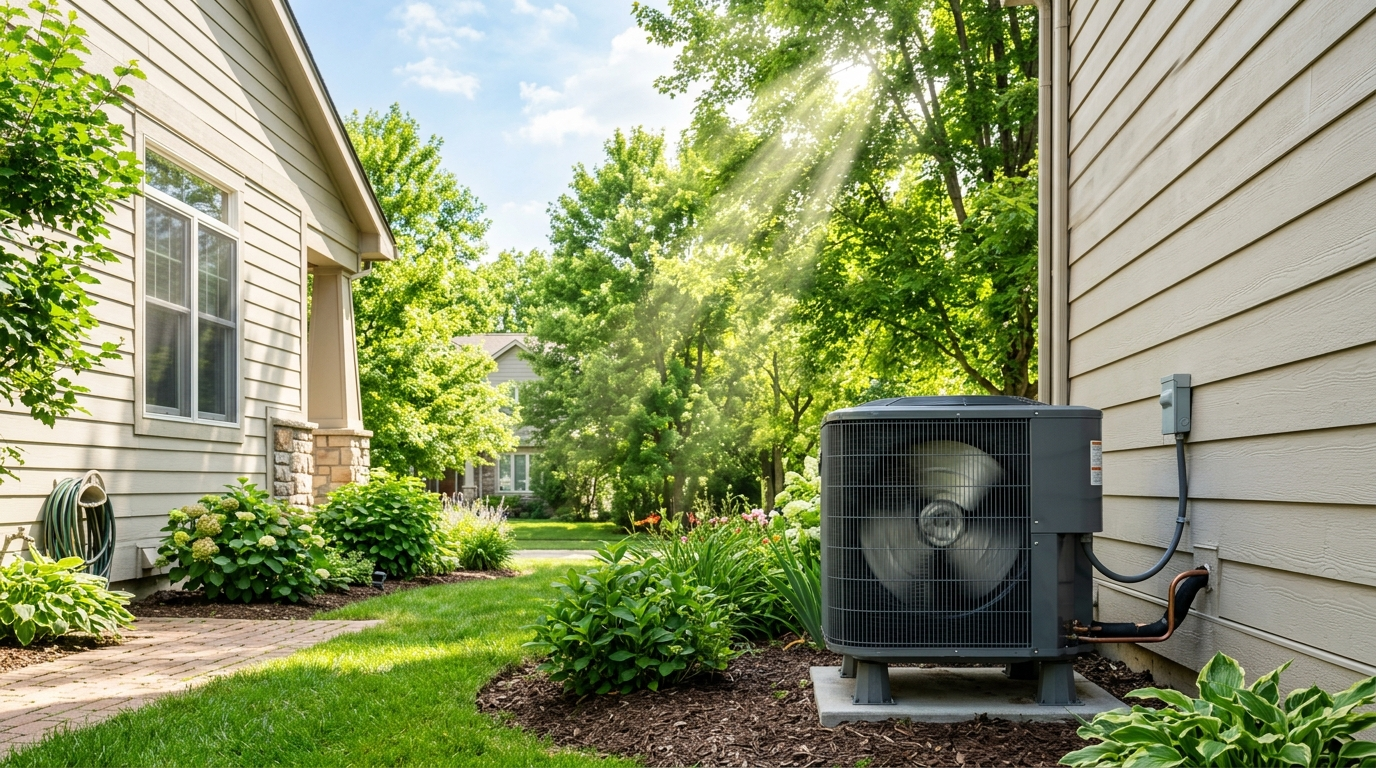
- Clean the outdoor condenser. Turn off the breaker. Use a garden hose to spray debris out through the fins from the inside out. A condenser clogged with grass clippings and cottonwood has to work harder to reject heat, increasing electricity draw.
- Replace the air filter. A clogged filter restricts return airflow, forcing the blower motor to run longer to move the same amount of air. Check it monthly during heavy cooling season; replace it when it's visibly gray.
- Close south- and west-facing blinds from noon to 4 p.m. Blocking direct solar gain through glass prevents heat from entering in the first place, far more efficient than removing it with the AC after the fact.
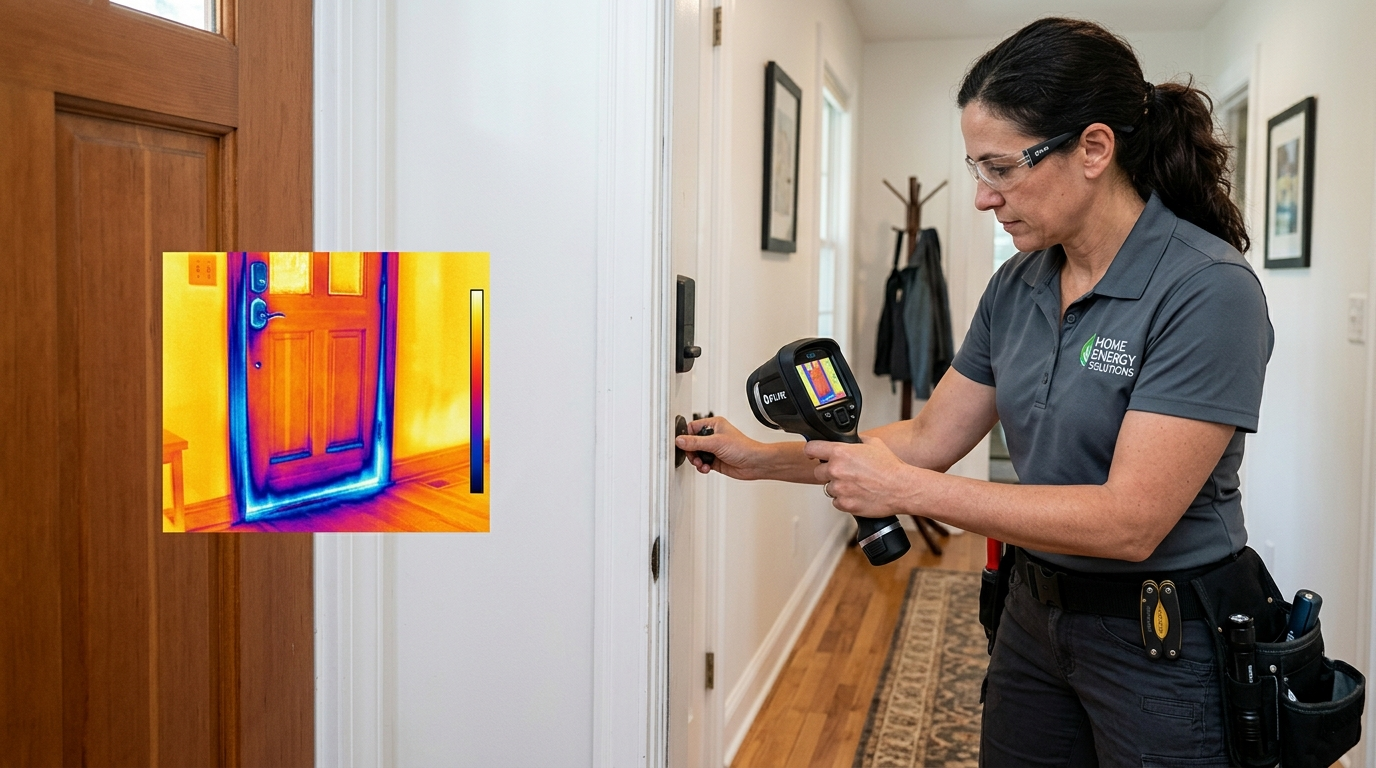
- Seal duct leaks. If your ducts run through an unconditioned attic or crawlspace, they're likely leaking conditioned air into spaces you're not trying to cool. Use foil tape (not standard duct tape, which fails at temperature extremes) to seal visible gaps and joints.
Time-of-Use Pricing: How to Use It in Your Favor
Many utilities now charge 2–3x more per kilowatt-hour during afternoon peak hours, typically 2–7 p.m. on weekdays. If your AC runs hard during those hours, you're paying the premium rate for the most expensive electricity of the day.
The workaround is pre-cooling: run your home down to 74–75°F in the late morning using cheaper off-peak power, then let the thermostat rise to 80°F during peak hours. Thermal mass in walls, floors, and furnishings holds the cool long enough that the system barely runs during the expensive window.
Check your utility's website to see if they offer a time-of-use rate plan and whether your current usage pattern would benefit from switching.
If your system is old enough that maintenance alone isn't closing the gap, use our HVAC Cost Calculator to estimate what a higher-efficiency replacement would cost and how long the energy savings would take to recover it.