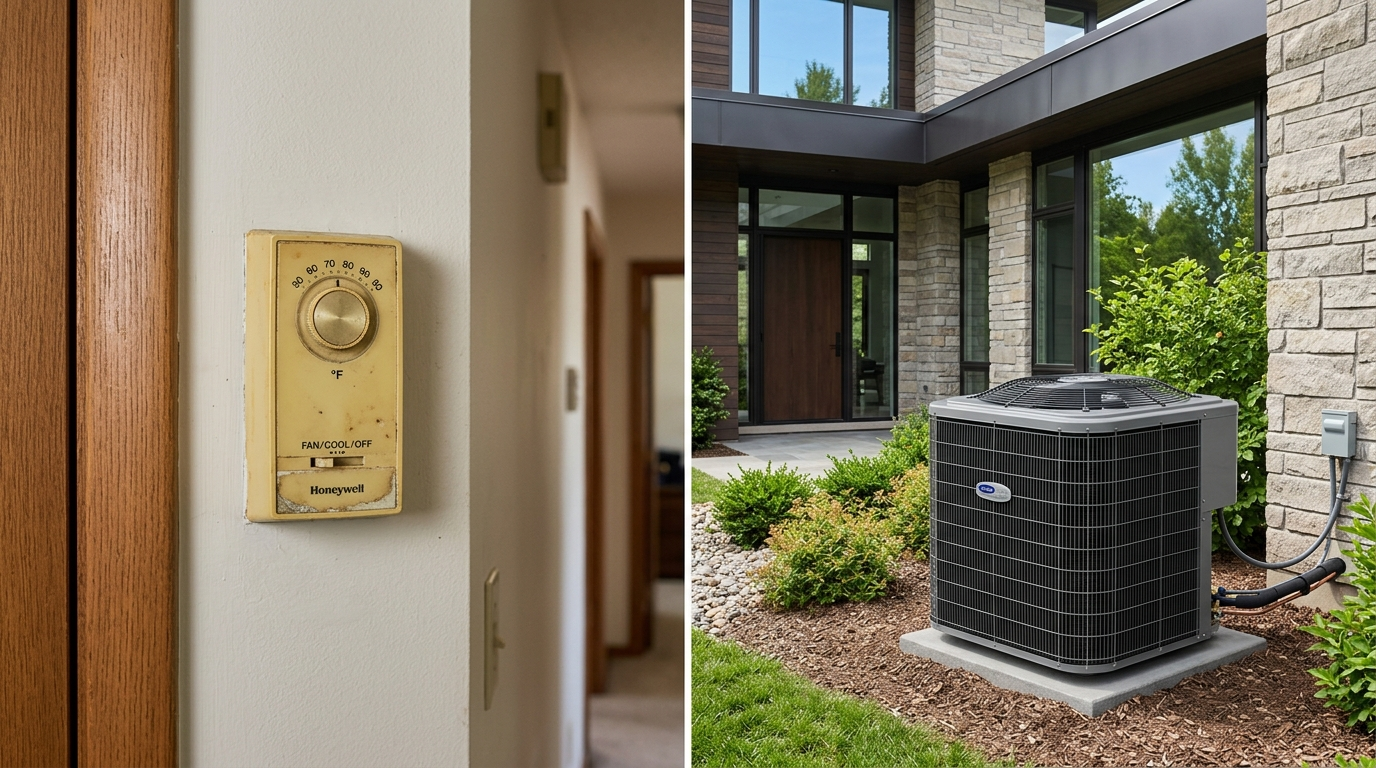
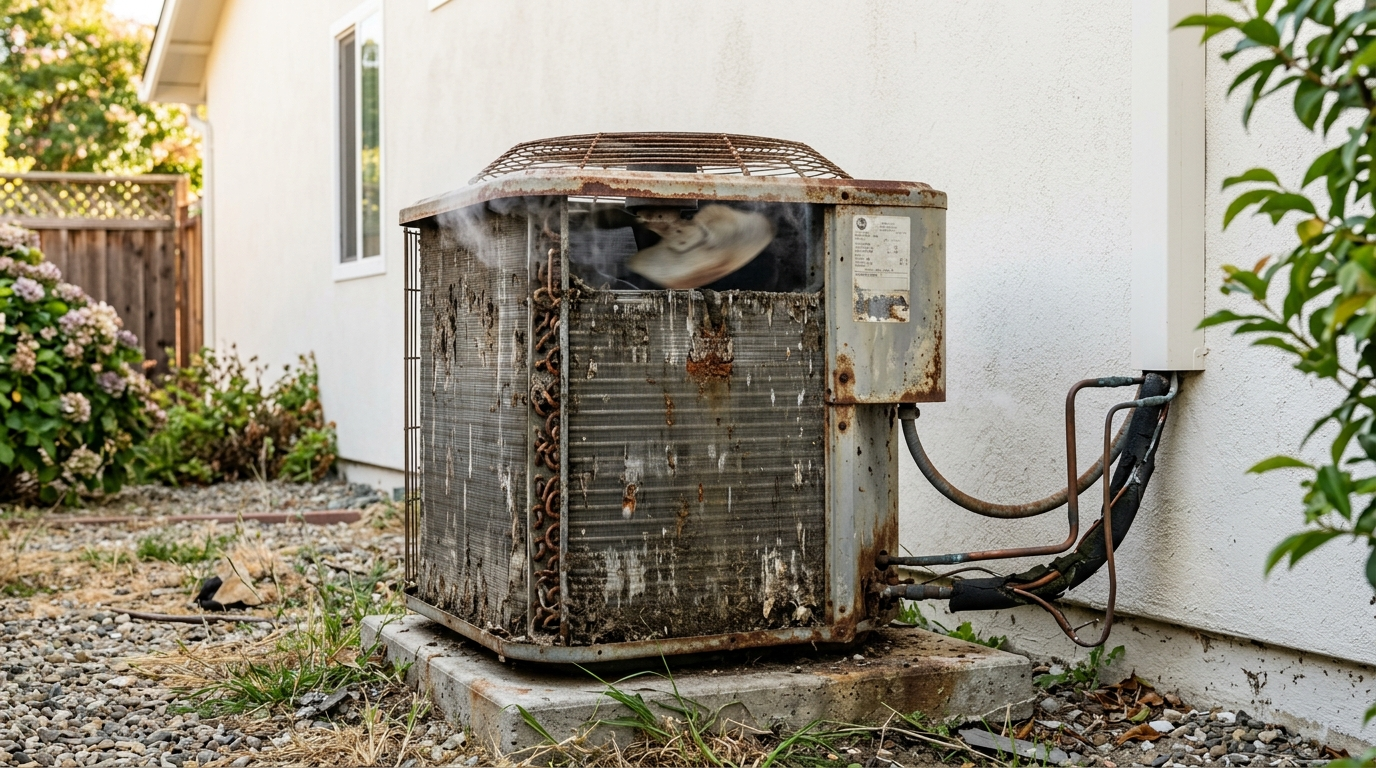
The efficiency ratings on a new AC system are real. A modern SEER2 16 unit uses meaningfully less electricity than a 15-year-old SEER 10. The gap between those numbers is where the promise lives, and where most of the confusion about actual savings comes from.
The rating describes how efficiently the unit converts electricity to cooling under standard test conditions. Your home isn't a test chamber. Duct leaks, attic heat gain, and how you actually operate the thermostat all affect what those savings look like on your bill. In some homes, a new AC delivers the full efficiency improvement. In others, the gains are almost invisible.
What this article covers:
- What SEER2 ratings actually measure, and what they don't tell you about your bill
- The four most common reasons a new AC doesn't produce the expected savings
- How to check whether ductwork or insulation is the real problem
- AC vs. heat pump: where the savings difference actually comes from
What SEER2 Tells You (and What It Doesn't)
SEER2 (Seasonal Energy Efficiency Ratio 2; see our comprehensive SEER2 rating guide for a deeper explanation) measures how much cooling a unit produces per watt of electricity over an entire cooling season, tested under standardized conditions. The 2023 federal minimum is 14.3 SEER2 for most of the country. Premium variable-speed units reach 20–22 SEER2 (you can budget upgrades using our HVAC replacement cost calculator).
The math on paper is straightforward: a SEER2 16 unit uses 16% less electricity than a SEER2 14 to produce the same amount of cooling. Upgrading from a SEER 10 system (the federal minimum before 2006) to a current SEER2 16 is a 60% improvement in rated efficiency.
What the rating doesn't capture: how much of the cooled air actually reaches your living space, how much radiant heat is entering from the attic, or whether your usage patterns change after installation. Those variables live outside the test conditions.
Four Reasons Your Bill Might Not Drop
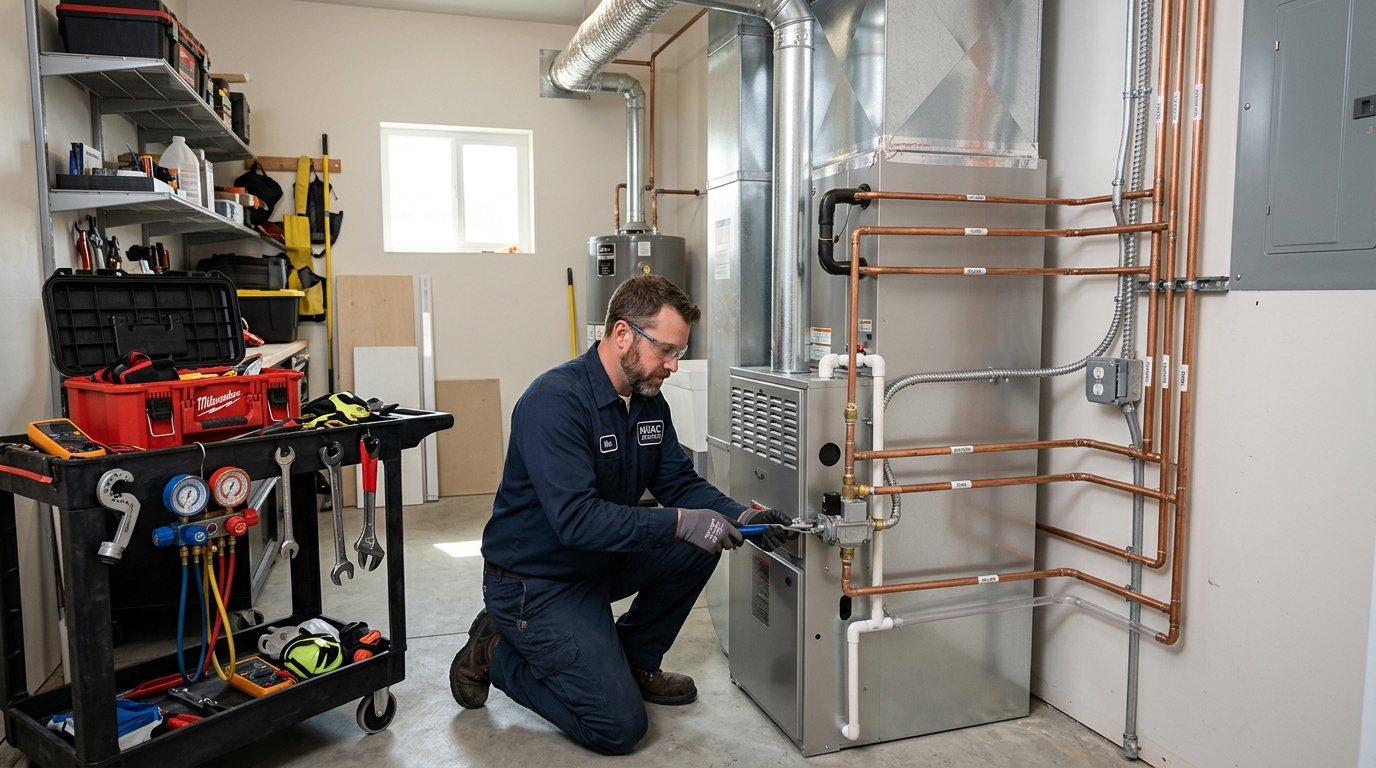
Duct leaks. If your supply ducts run through an unconditioned attic and they're poorly sealed, a meaningful portion of your conditioned air leaks into the attic before it reaches your rooms. You're paying to cool a space you never occupy. The DOE estimates that duct losses account for 25–30% of heating and cooling costs in a typical home with ducts in unconditioned spaces. A new AC unit doesn't fix that problem.
Source: U.S. Department of Energy – Duct Leakage and Energy Loss.
Attic insulation below recommended levels. The DOE recommends R-38 to R-60 for attics in most U.S. climate zones. An under-insulated attic radiates heat through your ceiling continuously (evaluate yours using our attic insulation depth guide). Your new AC isn't just cooling your rooms: it's fighting constant heat gain from above, which reduces the efficiency improvement you'd otherwise see.
Increased comfort-driven usage. Older systems were often loud, uneven coolers. New ones are quieter and hold temperature more consistently. Many homeowners unconsciously run them earlier in the season or keep them on during weather they previously left to an open window. Efficiency gains get partially offset by the additional runtime.
Proper sizing vs. old oversizing. Many older systems were installed oversized, which caused them to cool quickly, shut off, and repeat short cycles. A correctly-sized replacement runs longer, lower-power cycles, which is more efficient and better for humidity control, but can feel less responsive. If you're comparing runtime hours rather than electricity consumption, the new unit may appear to "run more" even though it's using less power per hour.
A high-efficiency AC addresses one part of your home's energy system. Ductwork and insulation address the other parts. All three have to work together for the savings to show up on your bill.
When the Savings Are Real and Measurable
The efficiency improvement translates most directly to bill savings when:
- Your current system is 15+ years old (SEER 10–12 range)
- Ductwork is sealed and either insulated or in conditioned space
- Attic insulation meets DOE recommendations for your climate zone
- Thermostat settings stay consistent before and after replacement
- The new system is correctly sized for the home's heat load (not oversized)
If your current unit is 10–12 years old and running without major problems, the efficiency delta from SEER 13 to SEER 16 is real but modest, and the payback period extends accordingly. An aging system that's also losing refrigerant or running inefficiently changes that calculation.
Central AC vs. Heat Pump: Where the Savings Difference Comes From
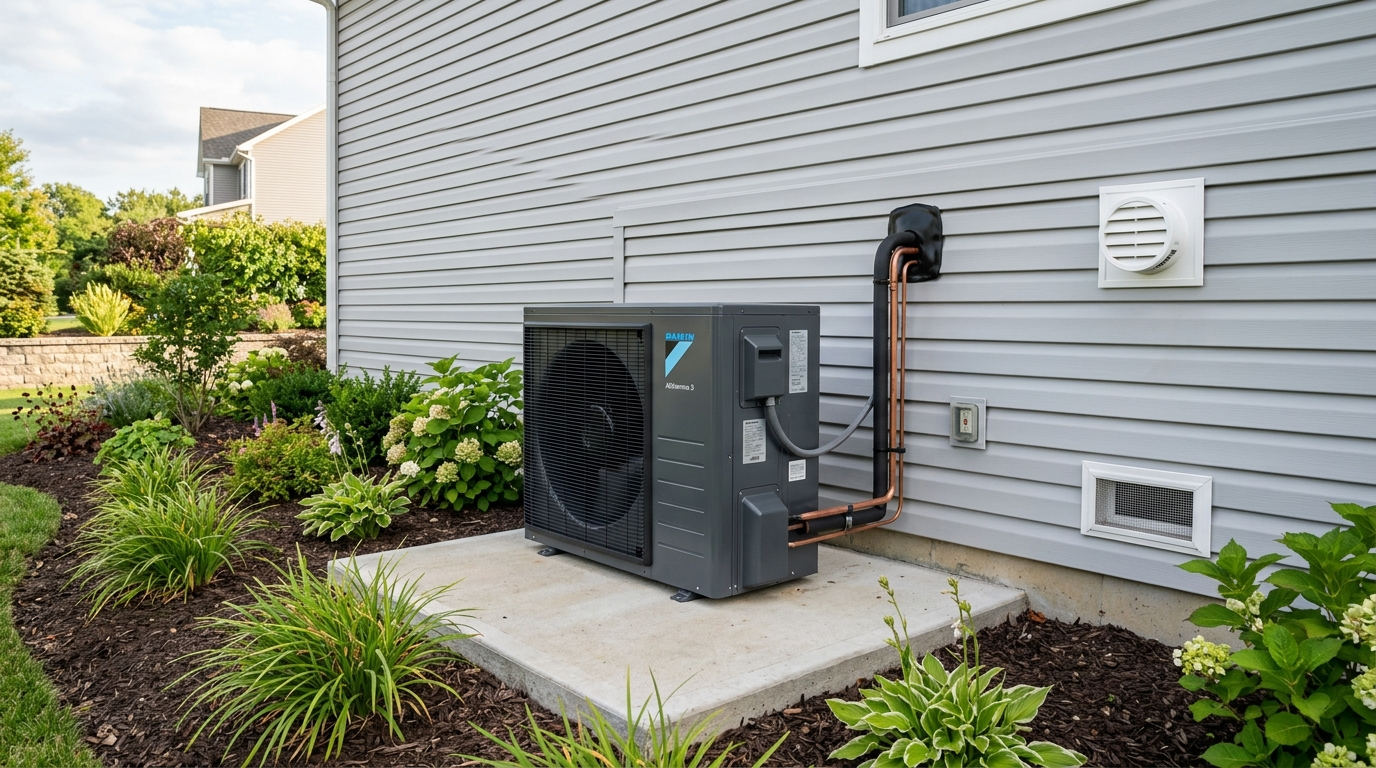
For cooling, central AC and heat pumps at equivalent SEER2 ratings perform identically. The difference is heating season. A heat pump moves heat rather than generating it, making it significantly more efficient than electric resistance heating for homes that currently use electric furnaces, baseboard heaters, or heat strips.
Central AC runs $6,000–$12,500 installed; heat pumps run $7,000–$16,000. If you heat with natural gas, the comparison depends on your local gas-to-electricity rate ratio. If you heat with electricity, a heat pump is almost always the more efficient long-term choice.
Heat pumps also qualify for up to $2,000 in federal tax credits under IRS Section 25C (Inflation Reduction Act), which partially offsets the higher upfront cost. Confirm current eligibility thresholds with a tax professional before factoring this into your decision.
To estimate what a replacement would cost for your home's square footage, use our HVAC Cost Calculator.